
Arnold Previous Residents by Era
The right source depends on the date. For modern deeds, use the public online land index. Older Anne Arundel material calls for historical indices, archive guides, and record books instead. Directories and newspapers can place a household near an address, but Arnold publishes no official reverse or criss-cross directory. Treat them as dated leads only.
| Source | Years or period | Access route | What it can show |
|---|---|---|---|
| MDLandRec electronic index | 1967-07-01 to the moving verified range | Online account or public courthouse and Archives workstation | Recorded party, instrument, date, book and page. |
| Historical or retired land indices | Before electronic coverage | MDLandRec historical route, Clerk, or Maryland State Archives | Earlier deed references and book/page trail. |
| MSA assessments | 1876-1918 | Anne Arundel County series C35 | Owner and assessment clues. |
| Directories and newspapers | 1887 county section; Annapolis directory runs and local titles | MSA and AACPL | Dated address, telephone, notice, or household clue. |
| Historic aerials | 1952 through 2010-2016 among listed layers | County GIS | Road, lot, and structure change, not occupants. |
Start with the parcel's current deed reference. A post-1967 Arnold house history usually opens there. For an older property, follow book and page references until the chain reaches the historical index or a tract description. Layer in dated directories, census, newspaper, probate, and cemetery routes only after the place link to the address is credible.
Arnold Previous Residents and the Deed Clock
MDLandRec hosts the recorded Anne Arundel instruments, but an Arnold address is not its main search route. Begin at the SDAT Real Property Search. Search by county plus address, street, account, or map reference. Copy the premises address, account, legal description, map and parcel, deed book, and page. Then open that book and page in MDLandRec. The platform requires a remote account with MFA, though courthouse and Archives workstations remain the in-person public route.
The electronic Anne Arundel guide starts July 1, 1967. Its end date keeps advancing. Check the live guide first. Pre-electronic material may sit in Historical Indices or Retired Indices. An older book and page reference, the Clerk research room, or Maryland State Archives support can bridge the gap. That covers most Arnold deed research.
The MDLandRec help route documents the land-record search environment and its historical paths.
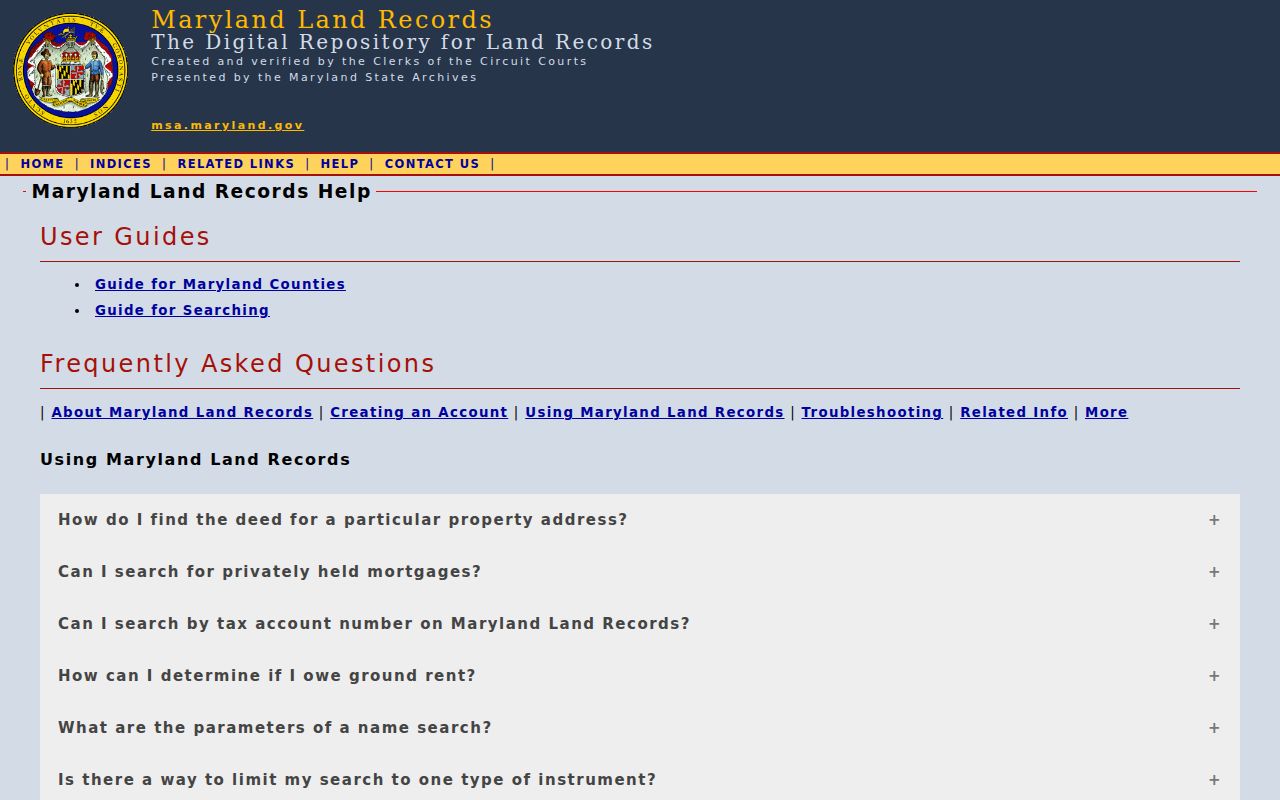
For Arnold previous residents, skip guesswork. Pull the deed reference from SDAT first, then use that number in the land record index to trace who held the property before you did.
Trace Arnold Past Owners Through Deeds
A chain of title is a sequence of recorded instruments. It links a parcel backward in time. It does not prove who lived there. Read the instrument type before the names. A deed transfers an interest, while a release, mortgage, easement, declaration, or plat serves another purpose. The older the address, the more the legal description matters.
- Locate the current parcel in SDAT and record its account, legal description, and deed book/page.
- Open that reference in MDLandRec and record the instrument type, recordation date, grantor, grantee, and any recital of an earlier deed.
- Use the earlier book/page or search the prior party in the appropriate grantor or grantee role.
- Repeat the dated handoff, separating spouses, estates, trustees, and entities when they appear.
- When the electronic trail ends, request the historical index, book, or archive series using the legal description and known reference.
- Grantor and grantee
- The grantor transfers or releases an interest; the grantee receives it. The role and instrument type matter.
- Chain of title
- The linked succession of recorded instruments for a parcel, checked one reference at a time.
- Legal description
- The parcel description in a recorded instrument. It can persist when a street name, postal label, or house number changes.
Plain copies from the Anne Arundel Land Records Department cost $0.50 per page. Certification adds $5 per document. The office sits at 8 Church Circle in Annapolis. No appointment is required, per the Clerk page. Staff can point a reference to the right place, but they do not run title searches or give legal advice.
Arnold Previous Residents Before Modern Addresses
Broadneck land history often predates the word Arnold in any record. Search former postal labels and rural routes. Tract names, farm names, and old road wording count too. The Maryland State Archives county chronology notes Anne Arundel's older county names. That is one more reason a modern query can miss an early reference. Historic aerials can test a year. They show whether a road, lot pattern, or structure existed. But they cannot identify a resident.
The Maryland State Archives Anne Arundel guide leads to land, tax, voter, court, and naturalization series. It is a finding aid. A series description may still end at a search room, copy order, or archive request. Ask for an existing series, date range, address or tract, and known book and page. A Maryland Public Information Act request can seek an existing county permit or map extract. It cannot make a custodian build one.
The full guide lives at this Maryland State Archives source.
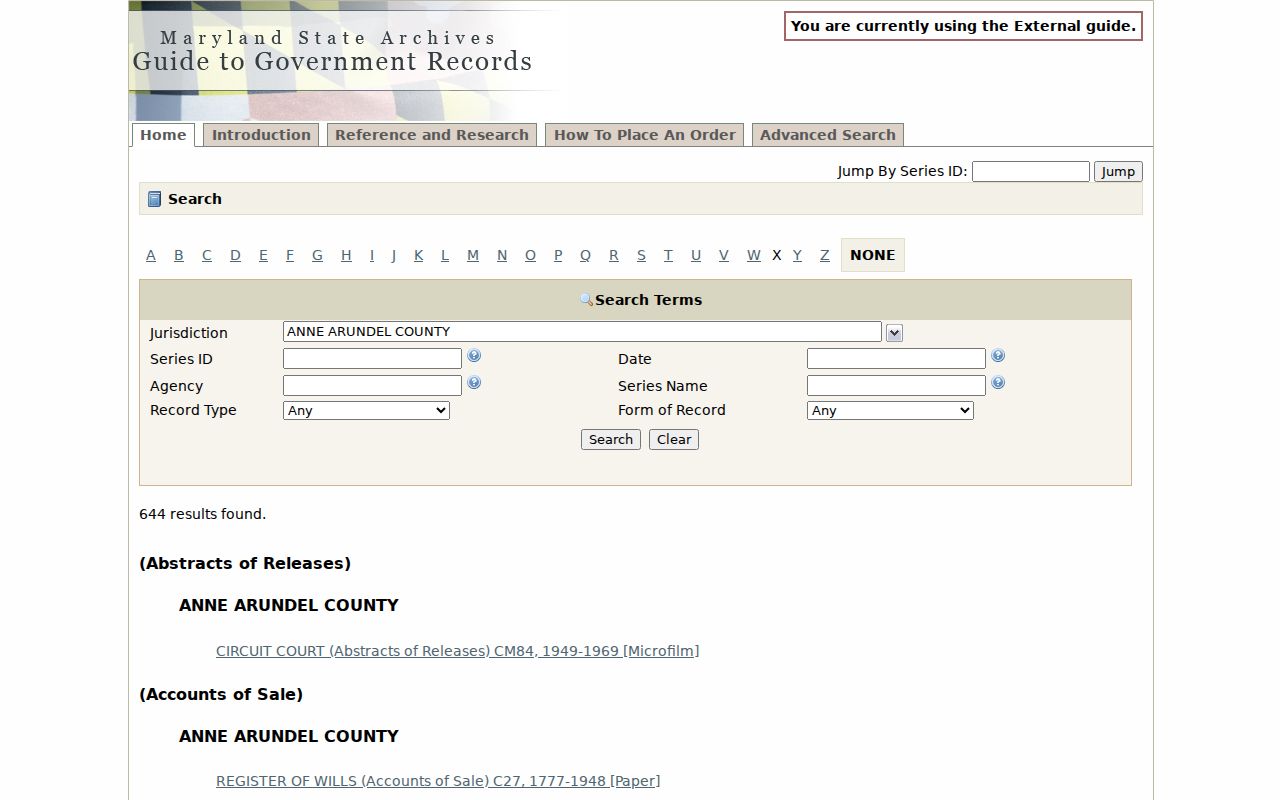
A dated source list helps separate an archival clue from an unbroken parcel history.
Arnold Past Households in Library Records
A deed is only one layer. For people who lived at an Arnold address, AACPL's Maryland Room, the Kuethe Historical and Genealogical Research Center, its newspaper access, and AAGS projects can each yield a name, local notice, cemetery clue, or probate lead. The MSA directory holdings list Annapolis directories for 1896-97, 1910, 1924, 1934, 1939, and 1972. Telephone directories cover several years. An 1887 volume holds an Anne Arundel County section. None is a dedicated Arnold city-directory series. So search Arnold, Broadneck, Magothy, nearby postal labels, and street variants as well. Decide the collection is empty only after those passes.
- Read a dated directory or newspaper reference exactly as printed, including its place label.
- Pair it with the nearest public federal census year, a tax or voter entry, or a deed reference.
- Check the location through a map, plat, or legal description before applying a modern street address.
- For a death or estate clue, compare the Register of Wills or probate record with the relevant deed or parcel transfer.
The collections open through the Arnold city directory route. Some AACPL databases need a library card, branch workstation, or appointment. The AAGS obituary index is still in progress. Check volunteer transcriptions against an image or court record when a conclusion matters.
The AACPL historical newspaper archive adds a separate channel. It covers notices and address mentions.

Capture the title, issue date, page, and exact phrase.
Arnold Previous Residents and the Sanborn Gap
Sanborn fire-insurance maps often unlock a building's footprint or an old street label. The catch is coverage. The official index lists no Arnold sheet at all. Nearest coverage sits in Annapolis, with sheets from 1885 and 1908. Those maps still teach the conventions a researcher needs. They just cannot document any Arnold structure. A stated gap beats a borrowed map or a method example dressed up as local coverage.
Check place names and years yourself in the Maryland State Archives Sanborn index.
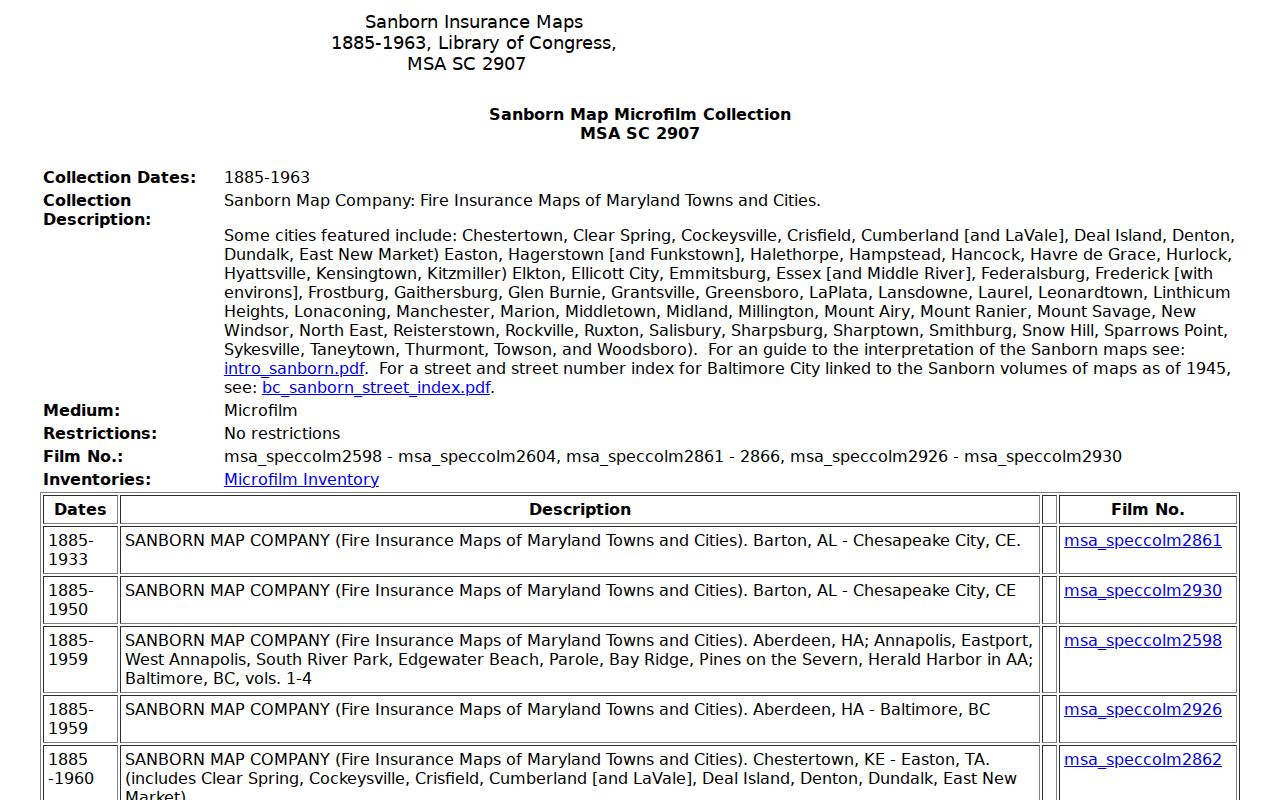
No Arnold sheet in the Sanborn index? Turn to county tools instead. Historic aerial layers, plats, preservation files, and land records can all document an Arnold property. The Library of Congress Sanborn search guide also explains how to search the wider map record.
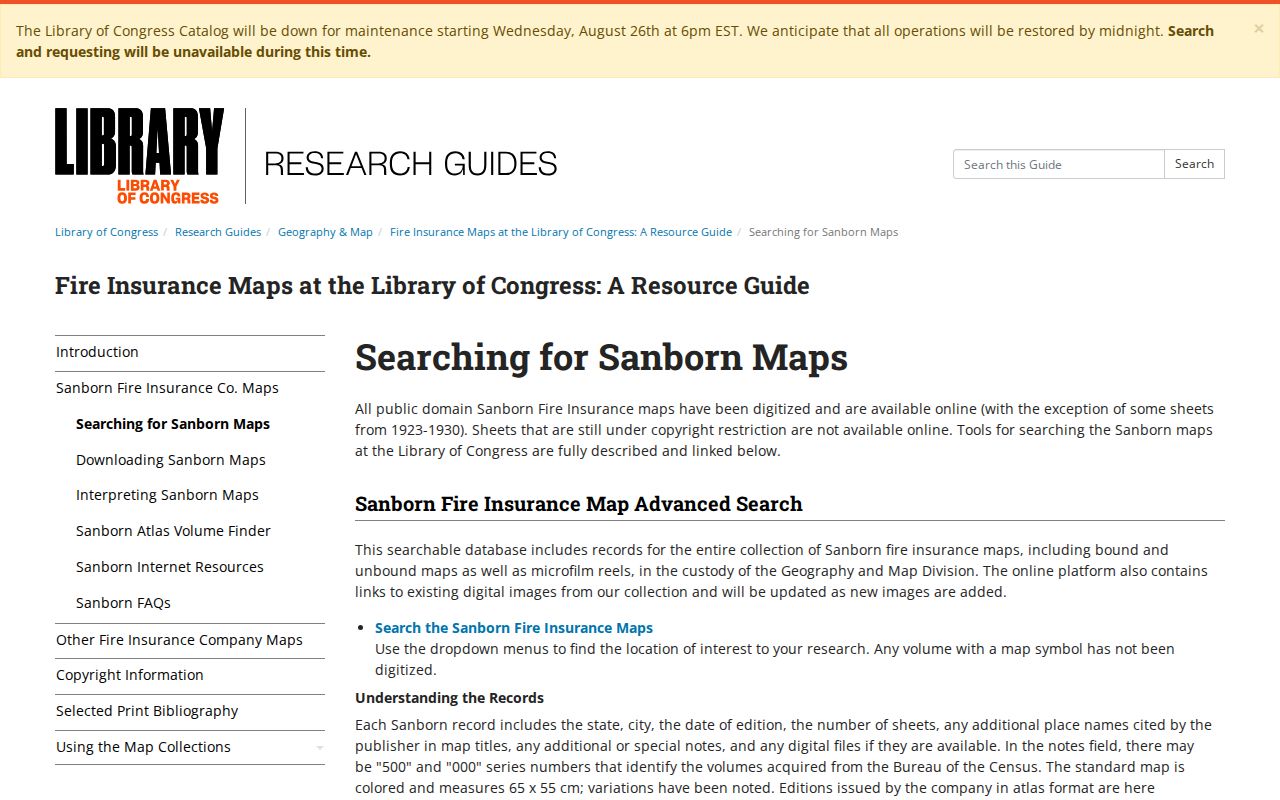
Any historical address claim needs its map coverage, image year, and place name recorded alongside it.
Arnold Previous Residents Need Careful Labels
Keep each record's role visible. SDAT may name an owner or mailing address. MDLandRec identifies a party to an instrument. A directory prints a dated entry, and an obituary offers a family or locality clue. None of these alone proves continuous residence. Maryland's Safe at Home Address Confidentiality Program gives eligible participants a substitute address. Protected addresses must never be reconstructed from tax, voter, land, or archival material.
Note: Save the source date, access date, role, book and page citation, and any unresolved conflicts with each previous-resident lead.
Arnold Previous Residents and Historic Aerials
Historic aerials give an Arnold address trail a kind of clock. Anne Arundel County offers imagery for many years. The set includes 1952 black-and-white photos, 1961 through 1963, 1970, 1977, 1980, 1984, 1988, 1990 in color, 1995, 1998, 2000, 2002, 2005, 2007, and layers covering 2010 to 2016. Lay two or more of those views side by side. A road, a lot, or a structure may shift between them. Once a change shows up, pull the deed, plat, permit, or assessment record that accounts for it. Those documents explain what the photo only hints at. Remember the limits of the image itself. An aerial reveals physical features, never an owner or an occupant.
Land records tie directly to those changes. The Maryland State Archives land-record system guide documents the current access arrangements.
Record the image year, visibility, and georegistration limits with any physical-change observation. Attach the dated record that names a party.