
Arnold City Directory Collections by Repository
No dedicated incorporated-city series exists for Arnold. That means the shelf to start with is the Maryland State Archives material for Annapolis and Anne Arundel County. Read it alongside Anne Arundel County Public Library collections. Every volume records only the geography it claims. An Annapolis listing can matter for someone who later turns up in Arnold. Still, it never places that person in Arnold by itself. The 1887 county section deserves a look because it reaches beyond the Annapolis volumes. Later telephone books may hold a different kind of address clue. That clue can help in a residents directory search.
| Collection | Years | Where held | Access route |
|---|---|---|---|
| Annapolis directories | 1896-97, 1910, 1924, 1934, 1939, 1972 | Maryland State Archives | Guide, scans, or search-room route |
| Anne Arundel county directory section | 1887 | Maryland State Archives | Inspect geographic scope before drawing a conclusion |
| Telephone directories | 1909, 1932, 1936-37, 1947-48 | Maryland State Archives holdings | Guide or on-site research |
| Local-history and genealogy collections | Item-specific | AACPL and Kuethe collections | Catalog, librarian, appointment, or licensed database |
Expect gaps. The county publishes no official Arnold reverse or criss-cross run. The Annapolis runs never promise that an outlying Arnold household shows up every year. Keep the volume title, year, page, and geographic label with each note. The Maryland State Archives directory guide starts you at the collection level. It does not presume a place label.
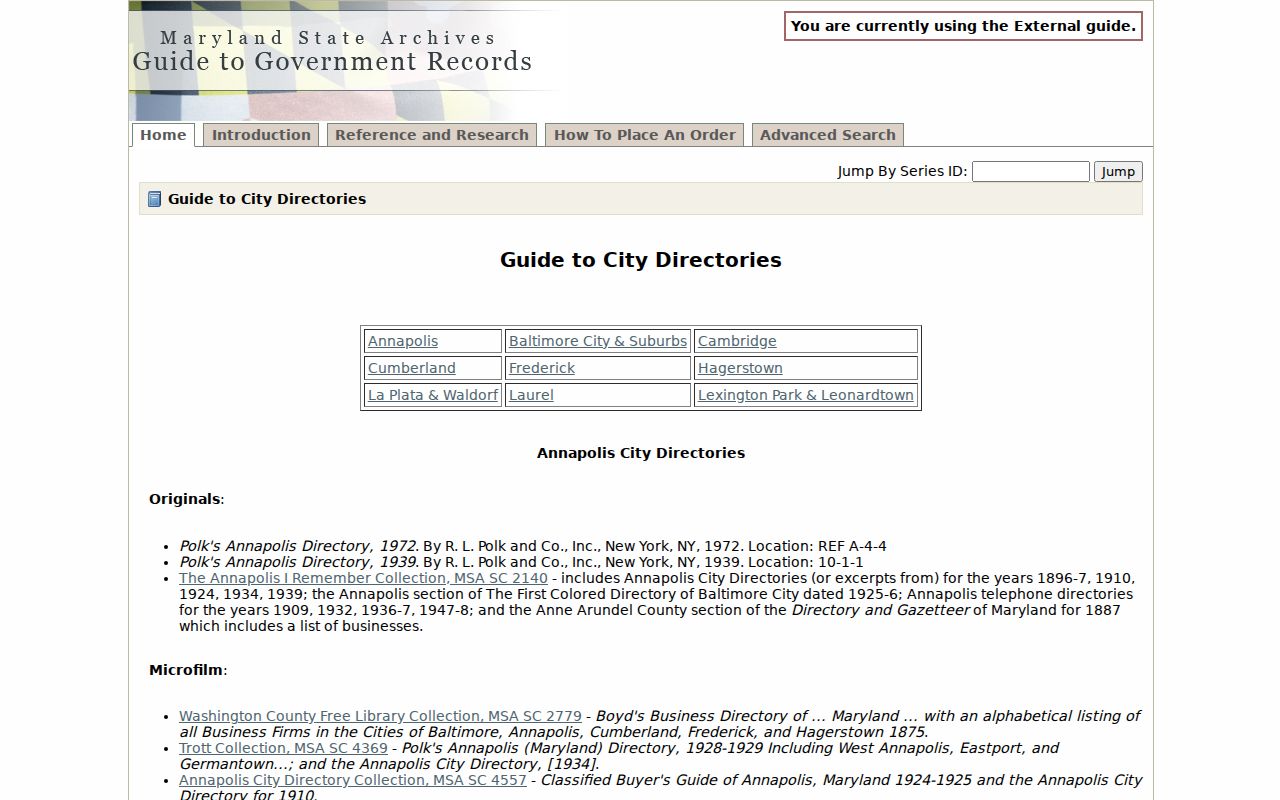
The guide also separates a catalog lead from a digitized page, and it shows plainly that no dedicated Arnold run exists before your resident lookup narrows too far.
Arnold City Directories Begin at County Repositories
Arnold keeps no city clerk, municipal archive, or municipal court. It is an unincorporated Census-designated place in Anne Arundel County. Historical questions usually route to Annapolis, the county seat. The AACPL Maryland Room and Local History Collection hold county and Annapolis material. The Broadneck Branch sits closest for the Arnold and Broadneck area. Ask for Arnold, Broadneck, Magothy, former postal labels, and known street names. Do not rely on one modern label alone. Catalog coverage varies by item. A librarian referral is often the next step. The AACPL genealogy route leads to library databases and local research paths. Some need a card or an in-library workstation.

Treat a database hit as an index lead. Save the collection name and access date before matching it to an original page or county record. The AACPL Local History Collection is the main county-history route for descriptive materials, photographs, local histories, and item requests.
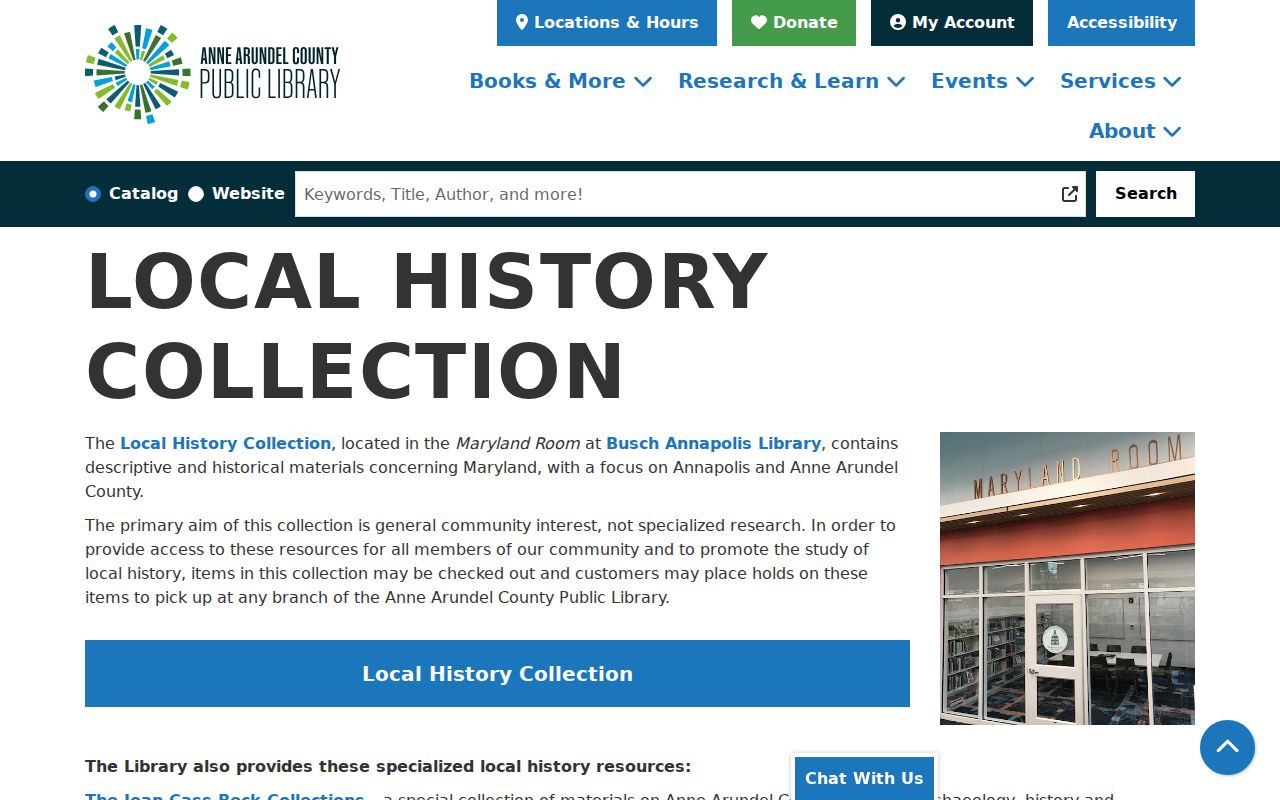
These collections complement any city directory, because local history sources explain the institution, neighborhood, or place name a volume lists with no context.
Arnold Directory Research at Kuethe and Joan Cass Beck
The Kuethe Historical and Genealogical Research Center holds about 4,000 volumes. It adds manuscripts, maps, photographs, and subject files for Anne Arundel and Maryland research. Its catalog blends Historical Society and Anne Arundel Genealogical Society holdings. The Joan Cass Beck Collection answers a different question. It covers historic structures, preservation, archaeology, maps, and county heritage. Use Kuethe for surname, cemetery, biography, and family leads in the residents directory sense. Turn to Joan Cass Beck when an old address needs its physical or preservation setting. Confirm availability, copying, and appointment rules before visiting. The Kuethe research-center page is the practical access point for the historical and genealogical collection.
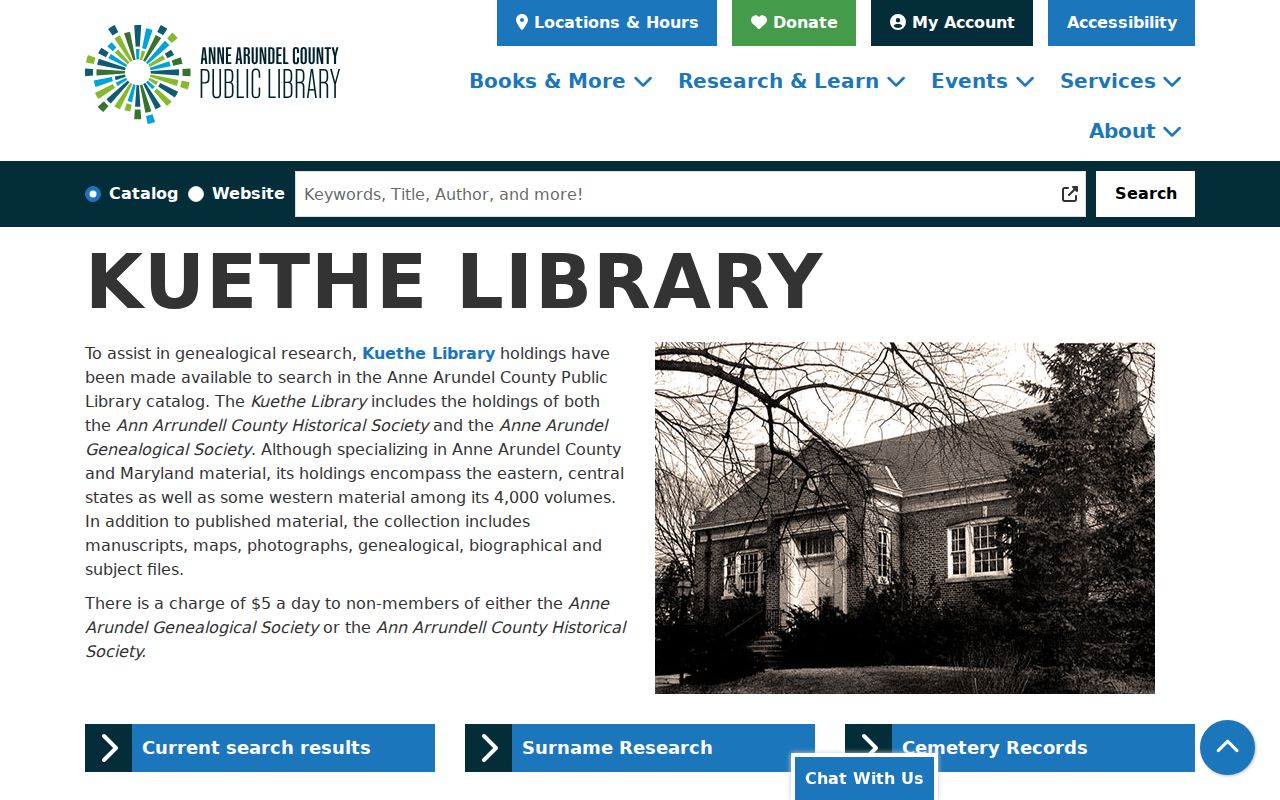
Kuethe earns its keep when a printed listing needs a second, independently dated county source such as a map, cemetery file, manuscript, or local-history reference. The Joan Cass Beck Collection handles the preservation side of a historic-place question tied to a street, parcel, map, or former tract name.
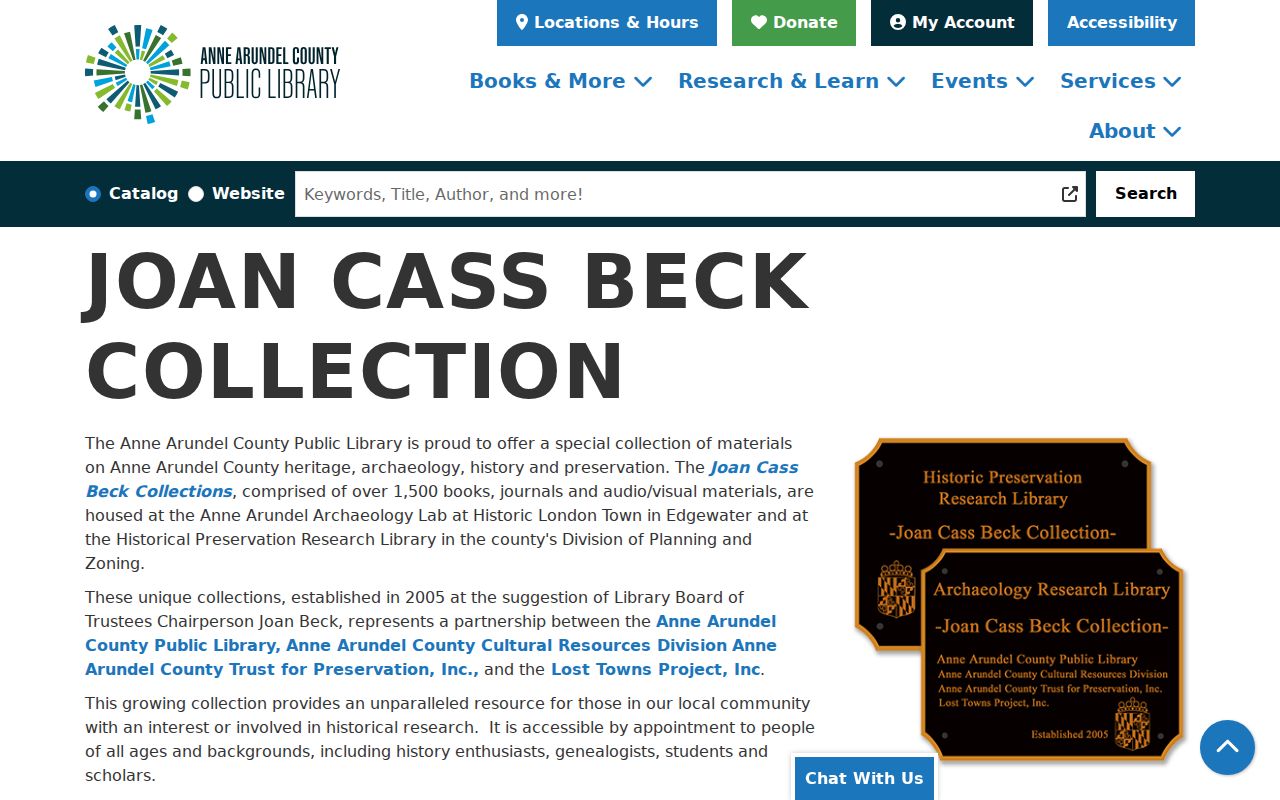
A preservation file supplies place context, but it cannot establish who lived at the site in any later year.
Arnold City Directory Years at the State Archives
The Archives guide names Annapolis directory runs for 1896-97, 1910, 1924, 1934, 1939, and 1972, plus telephone directories for 1909, 1932, 1936-37, and 1947-48. It also identifies an 1887 Anne Arundel County section. Treat these as finding aids for Arnold research, not a promise of steady local coverage. Someone missing from one book may have lived outside its listed area. They may have used a different postal label or been skipped by the publisher. They may appear only in a newspaper, assessment, voter book, or deed index. The digitized 1924 Annapolis directory sample shows the kind of entry open to inspection online.
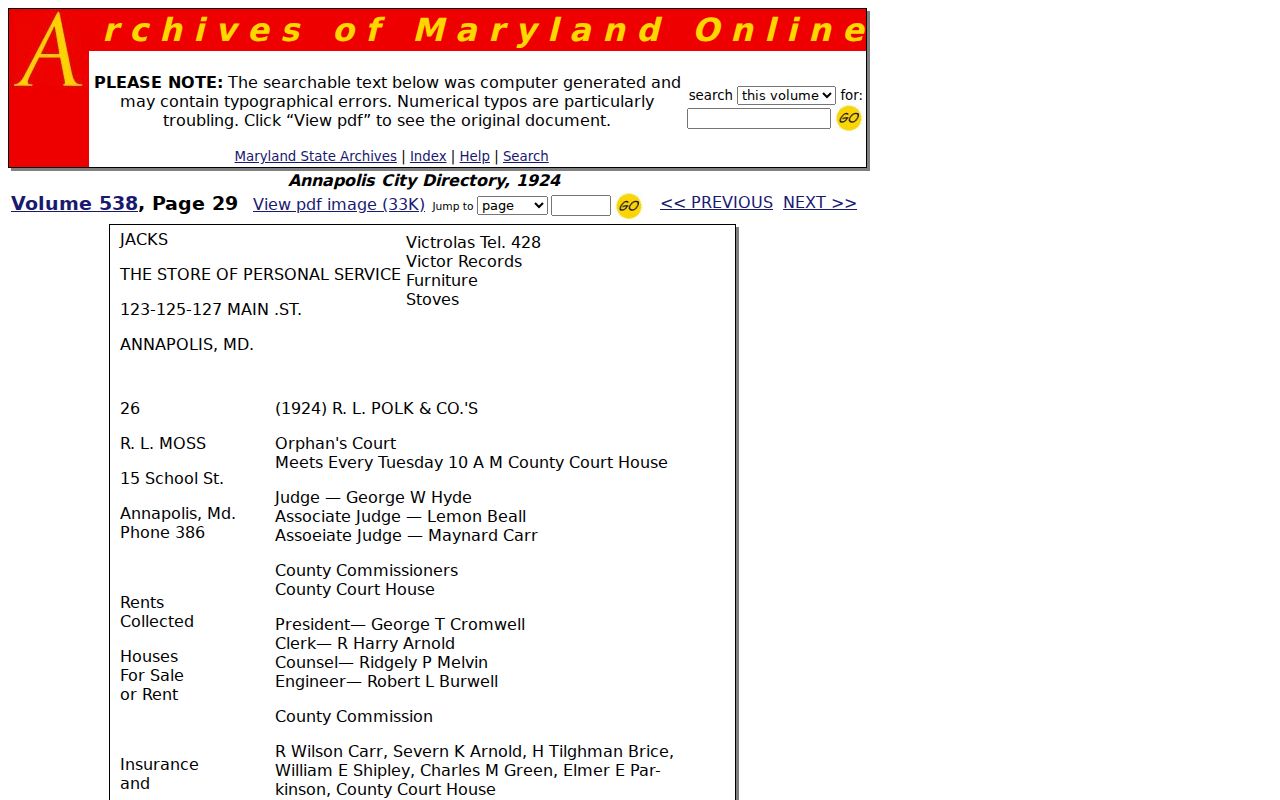
The sample comes from Annapolis, not Arnold. Use it to learn the entry format or to test a related county-era clue. Never present a sample name as an Arnold resident.
Reading an Arnold City Directory Entry Carefully
Transcribe an entry as printed before normalizing anything. The 1924 sample shows a person or business name, street address, telephone number, and a short business or service line. It permits no added details. A directory address is a date-specific listing. It is not evidence of a full household, current ownership, or a lasting tie to Arnold. Record the page, title, edition year, and whether the volume covers Annapolis, the county, or another place.
| Name or business | Copy the spelling, initials, and business wording exactly as printed. |
|---|---|
| Street line | Preserve the number, street form, municipality, and any old road or postal wording. |
| Telephone | Keep it as a period clue, not as current contact information. |
| Service line | Use the brief occupation or business description only as a dated context clue. |
| Page citation | Save the volume title, year, page, archive link or shelf route, and access date. |
- Criss-cross directory
- A reverse, street-ordered directory that starts with an address rather than a name. No official Arnold run was located.
- Householder index
- An index that groups a listing by household head or address. Check the volume's own introduction before assuming one exists.
- Abbreviation key
- The publisher's explanation of shortened terms. Photograph or cite it before interpreting a compact entry.
Arnold Directory Gaps Need Newspaper Searches
Newspapers fill the years the Arnold residents directory skips. AACPL's historical archive holds The Capital and other Anne Arundel titles. Title-specific coverage runs from 1887 through 2025. Start narrow. Search the exact surname paired with a street. Then widen to Arnold, Broadneck, Magothy, Severna Park, Annapolis, or an old road label. An obituary or a marriage, civic, or legal notice often yields a date and place phrase. That phrase points you to the right county collection. Record the title variant, issue date, page or column, and a stable citation for the past residents trail.
The AACPL Newspaper Archive separates historical scans from current database access. That access may require a card or licensed login. The Anne Arundel State Archives guide adds assessment, voter, court, land, and naturalization series. Those series can bridge a missing directory year in any street directory search.
Note: A newspaper or directory mention is a dated source statement. Retain its original locality rather than silently swapping in a modern Arnold label.
Tracing Families with Arnold City Directories
Follow one person or household through the editions in date order. Anchor on the spelling and locality in the earliest reliable entry. A blank year does not mean a move. Compare the next directory, telephone book, newspaper, assessment, or land record before drawing that conclusion from the city directory. Federal census schedules open to the public on a 72-year timetable. Those records add a separate household snapshot for earlier eras. Pairing two sources helps separate a same-name stranger from the right individual. That check matters in a resident lookup.
- Locate the earliest dated name or address entry and note the volume's stated coverage.
- Search the next available edition with spelling variants, initials, and nearby postal labels.
- Compare an address change with a newspaper notice, assessment, deed, or historic map.
- Pair the closest available edition with the appropriate public census year.
- Close the trail with a probate, cemetery, obituary, or vital-record route when the record type fits.
The National Archives census research route explains the public schedules and their access limits. A directory line and a census household stay separate snapshots, even when name and street look alike.
Arnold's 1967 AACC Move as a Search Marker
Anne Arundel Community College gives Arnold a handy institutional time marker. The school was established in 1961. It opened at Severna Park High School. Then it moved to the Arnold campus in September 1967. Accreditation followed in 1968, with expansion continuing through 1994. That sequence can focus an archival search around College Parkway, AACC, and nearby road names. It works without assuming a nearby resident had any college connection. Meeting notices, campus publications, planning material, and newspaper coverage add dated place context. That context can sharpen a residents directory clue.
- 1961: Anne Arundel Community College was established.
- September 1961: Classes opened at Severna Park High School.
- September 1967: The college moved to its Arnold campus.
- April 1968: The college received accreditation.
- 1994: Campus expansion reached the later 230-acre scale.
The AACC history supplies the dates for this Arnold timeline. Use them to narrow a document search, never to infer a person's address from a campus reference.
Arnold Map Gaps in Directory Research
Historic map coverage has its own limits. The Maryland State Archives Sanborn index lists Annapolis sheets for 1885 and 1908. It lists no Arnold sheet. An Annapolis map can teach symbols and street-reading habits. It cannot describe an Arnold structure. For an Arnold house-history question, pair a legal description, recorded plat, aerial layer, preservation file, or county planning record. Use it with the directory or newspaper clue. Older material may carry a tract, rural route, or neighboring postal name instead of a modern street address. A resident lookup on paper sometimes reads differently than a modern one.
The Maryland State Archives Sanborn index is the proper place to document the coverage gap. Do not invent a local sheet.